
Griffon’s Gate Up Close
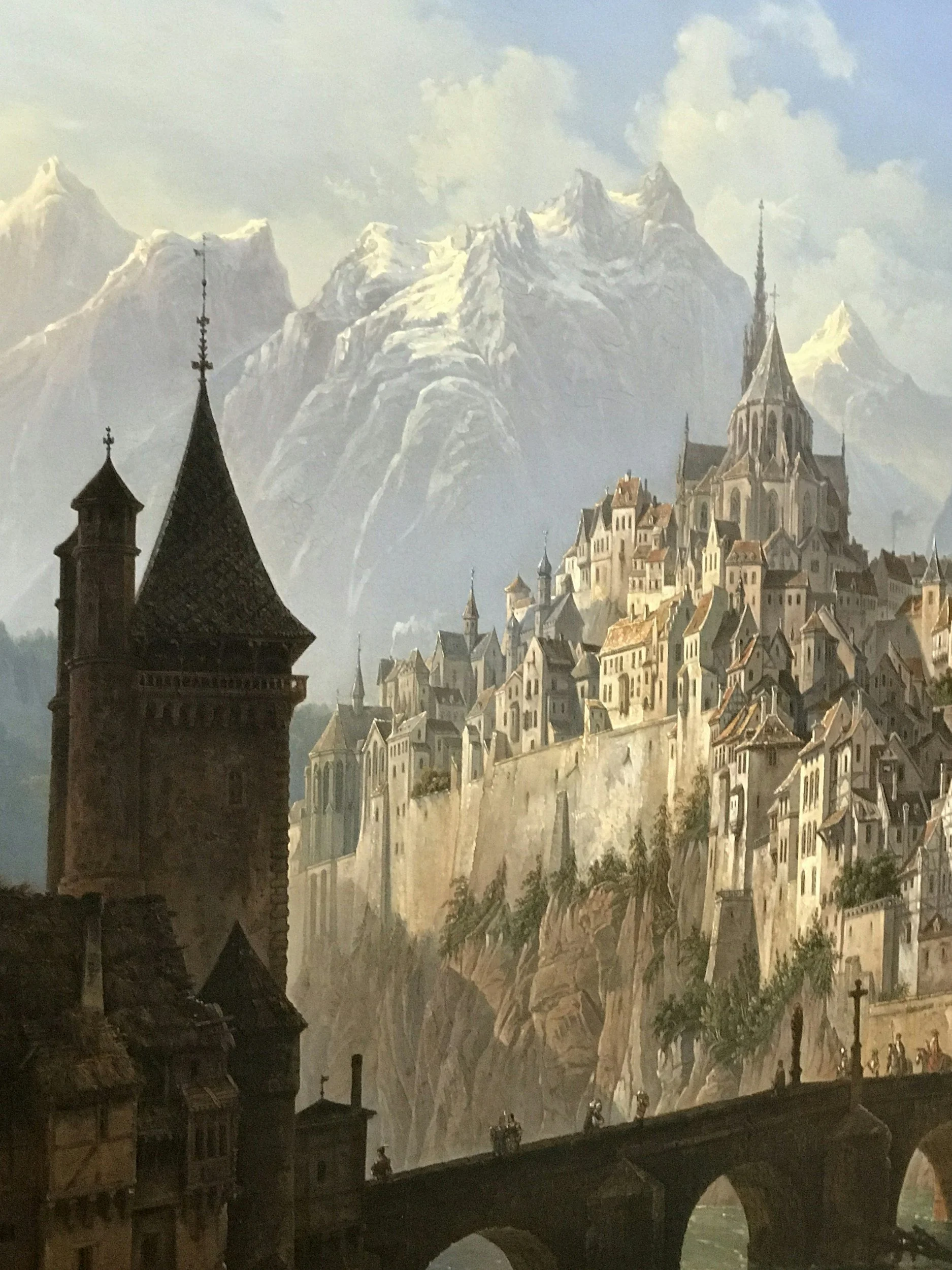
Griffon’s Gate is a city built at the crossroads of ambition, adventure, and the unknown. Merchants, mercenaries, scholars, pilgrims, wanderers, and would-be heroes all pass through its streets, bringing with them the stories, cultures, and conflicts of a much larger world.
It is a place where ancient traditions stand beside new ideas, where magic is part of everyday life without ever becoming ordinary, and where opportunity tends to arrive hand-in-hand with danger.
The people of Griffon’s Gate are as varied as the roads that lead here. Locals are accustomed to outsiders, unusual travelers, and those looking to make a name for themselves. Reputation matters, community matters, and the choices made by adventurers can leave a lasting mark.
Players should expect a world built for exploration, character-driven stories, meaningful consequences, and room to contribute. Griffon’s Gate is not just a backdrop for adventures. It is a place intended to grow alongside the people who play in it.
Valdyr
The Nation Built Around Opportunity
Few nations in Aestra possess anything comparable to Griffon’s Gate. The ancient threshold at the heart of Valdyr can open passage to distant lands and places far beyond Aestra itself, bringing merchants, explorers, refugees, scholars, strange materials, unfamiliar ideas, and occasionally unfamiliar dangers into the country. The Gate has made Valdyr extraordinarily prosperous for its size, but Valdyrians are quick to reject the idea that their nation is wealthy simply because it possesses a magical doorway. A common sentiment holds that the Gate creates opportunity; Valdyr’s people decide what becomes of it.
That philosophy is reflected in the republic itself. Valdyr is governed by a Council of thirteen ruling guilds, each representing a major sector of national life: provision, stewardship, commerce, infrastructure, health, education, arcana, defense, law, culture, welfare, exploration, and material production. Every citizen votes for every Council seat, while members of the profession represented by a particular guild receive modest additional influence in choosing their own representative. Three Councilors are elevated to serve as the Triumvirate, sharing executive authority as equals rather than placing national leadership in the hands of a single ruler.
Valdyrian political culture places unusual emphasis on civic responsibility and distributed power. The country’s history is filled with rulers, dynasties, and ambitious warlords who sought to possess Griffon’s Gate for themselves. Modern Valdyr grew from the institutions and communities that survived those rulers: farmers who continued planting, healers who continued treating the sick, engineers who maintained roads and waterworks, guilds that preserved trades, scholars who protected knowledge, and citizens who defended their homes. To many Valdyrians, government exists not to command those institutions but to allow them to work together.
This same attitude shapes the nation’s social guarantees. Education, healthcare, food security, shelter, disability support, retirement care, and assistance for citizens unable to support themselves are treated as civic necessities rather than acts of charity. Valdyr is a small country with enormous responsibilities, and its people are regarded as its most important resource. An injured miner, an aging sailor, a displaced family, or an adventurer whose career ended badly is still considered part of the nation and deserving of a place within it.
Outside the capital, Valdyr contains four distinct regions. Caedryn is the fertile heartland of villages, farms, and market towns; the Stoneward is a heavily regulated region of mountains, mines, reservoirs, and industrial communities; the Gateward is the narrow, fortified corridor protecting the canal and road between Griffon’s Gate and the coast; and the Tideward is a lively network of southern bay cities whose harbors connect Valdyr to the wider maritime world.
Despite its openness, Valdyr is not careless. Griffon’s Gate, the canal corridor, the coast, and the nation’s borders are closely defended. The military is capable and respected, but national defense and civilian policing remain deliberately separate, reflecting a long-standing fear of allowing armed authority to become domestic political power.
Perhaps more than anything else, Valdyr is defined by mixture. People, customs, religions, foods, trades, and traditions from across Aestra, and beyond it, have arrived through Griffon’s Gate and become woven into local life. Valdyrian identity is therefore less concerned with ancestry than participation. Someone becomes part of Valdyr not by proving where they came from, but by contributing to the communities they now call home.
The Greater World of Aestra
